
What’s the issue?
Nitrates and organic nitrogen compounds from fertilizers and manure enter groundwater through leaching and reach surface water via runoff from agricultural fields. A high nitrate concentration makes water unsuitable for drinking.
In rivers, lakes, and marine waters, nitrogen and other nutrients—particularly phosphorus—stimulate algae growth. At moderate levels, algae serve as food for aquatic organisms, including fish. However, excessive nutrient concentration in water systems leads to overgrowth of algae. This disrupts the natural ecosystem and can cause oxygen depletion in the water. This phenomenon, known as eutrophication, has negative consequences for biodiversity, fisheries, and recreational activities (Directorate-General for the Environment, European Commission).
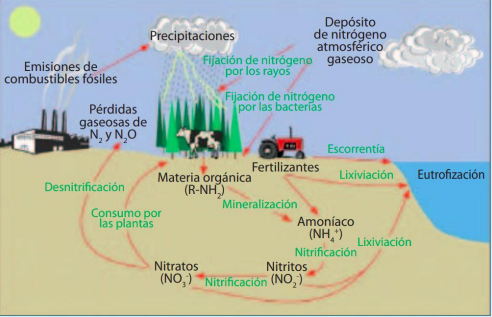
Figure 1: The Nitrogen Cycle (European Commission).
Solution: European Regulation
In response, the EU adopted the Nitrates Directive in 1991, aimed at protecting water quality across Europe by preventing agricultural nitrate pollution of soil, groundwater, and surface water.
This directive seeks to reduce water pollution caused by nitrates used in agriculture through:
- Monitoring nitrate concentrations in water bodies
- Designation of Nitrate Vulnerable Zones (NVZs)
- Establishing codes of good agricultural practices and measures to prevent and reduce nitrate pollution
Current Situation in Spain
Nitrate pollution in Spain is monitored through sampling and water quality surveillance programs that are part of the control networks defined in river basin management plans. These networks allow for monitoring of surface water, groundwater, and protected zones.
This map shows the areas designated as Nitrate Vulnerable Zones (GEOPORTAL, MAP).

Figure 2: Interactive map with Nitrate Vulnerable Zones layer: GEOPORTAL (MAP).
Good Practices Manual for Nitrate Vulnerable Zones
Some recommended practices include:
- Understanding crop nitrogen fertilization needs
- Improving soil health through agroecological practices such as crop rotation, use of soil microorganisms, and cover crops
- Calculating the mineral nitrogen content in the soil
- Determining the optimal timing for fertilizer application, avoiding over-application
- Calculating the nitrogen contribution from irrigation water
- Using efficient irrigation systems and applying water at the right time to prevent nitrate leaching
- Using sensors, such as soil moisture or nitrate probes
- Fertigation enables precise nutrient delivery to crops. Small and frequent fertilizer applications tailored to crop requirements increase nutrient uptake efficiency and minimize nutrient losses through leaching (AGROGESTOR).
GOS ACCESS: Maize in León
Currently, some areas in León—the main corn-producing region in Spain—are classified as Nitrate Vulnerable Zones. To address this challenge, this project has implemented field trials on a corn farm in El Páramo Leonés.
Our goal is to reduce dependency on nitrogen fertilizers by planting legumes that enrich the soil before corn sowing. Additionally, we conduct soil analyses to determine initial nitrogen content and monitor it throughout the crop cycle. To enhance soil health and nutrient availability, we also apply products based on beneficial microorganisms.
