
Crops
Discover all the information about our crops and growing areas.
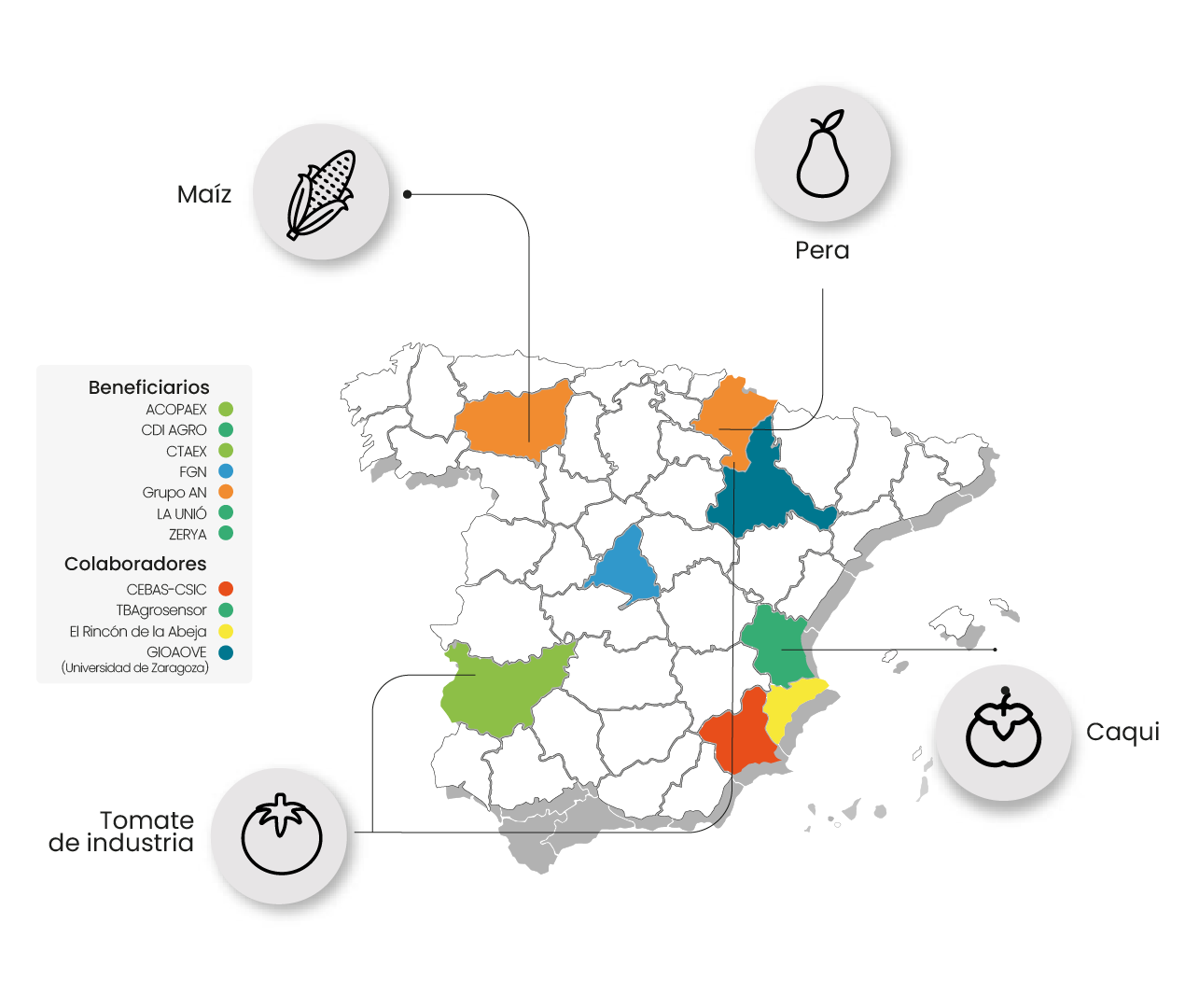
Maize
Maize cultivation in Spain is challenged by high fertiliser costs, drought restrictions, and limitations in areas vulnerable to nitrate contamination, all of which affect its profitability.
The following strategies are proposed to mitigate these problems:
- Direct seeding of maize allows the soil to maintain its structure and improves its water retention, thereby reducing erosion.
- Using sensors to monitor soil moisture optimises irrigation and promotes more efficient crop growth.
- Crop rotation with legumes is another key strategy, as it improves soil fertility and boosts maize yield potential.
Pear
The cultivation of pears in Spain, particularly in the Ebro Valley, is affected by problems such as the Psylla pest, which damages shoots and flowers, and the need for an adequate water supply. The following is proposed to improve its management:
- Using plant covers to encourage the natural enemies of the pest, such as anthocorids, and implementing soil, air and tree monitoring technology. This will enable water availability to be measured, potential stress situations to be detected and disease control to be improved, thereby contributing to better yields and fruit quality
Industrial Tomato
The cultivation of industrial tomatoes in Spain is challenged by issues such as water scarcity, extreme weather conditions, soil contamination, pests, and phytosanitary restrictions. Several strategies have been proposed to address these issues:
- Using winter covers to improve soil structure and health, increase organic matter and reduce the need for mineral fertilisers.
- Another strategy is the creation of green infrastructures with flower strips to promote biodiversity and benefit pollinators.
- These strategies will be complemented by emerging technologies, such as sensorisation and microbial applications, to optimise outcomes
Persimmon
Persimmon crops are particularly vulnerable to plant health issues, such as leaf spot caused by the fungus Mycosphaerella nawae, which has led to the intensive use of fungicides and herbicides. As sustainable alternatives, two main strategies are proposed:
- The use of cover crops improves soil physicochemical properties, enhances beneficial microbial activity, and promotes the development of more fertile soils with reduced pathogen inoculum. Additionally, maintaining covered and biologically active soils generates natural fertility through competition and provides greater protection against extreme weather events, contributing to their natural suppressive capacity.
- Another strategy recommended is the establishment of perimeter flower strips to promote biodiversity and strengthen agroecosystem resilience.
These strategies will be supported by innovative technologies such as soil sensor systems and microbial applications to maximise effectiveness. Post-harvest analyses will also be conducted to assess their impact on fruit quality.
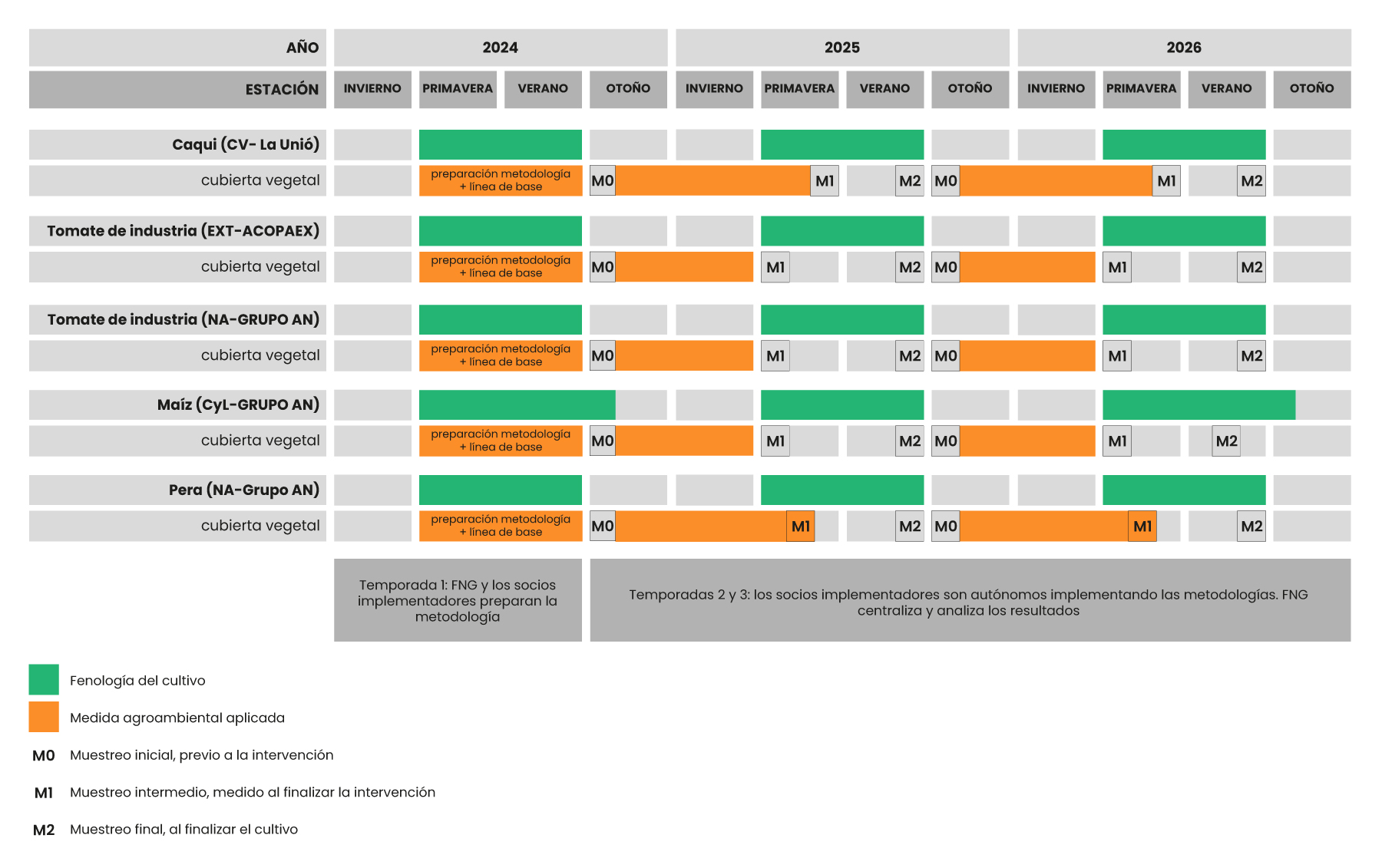
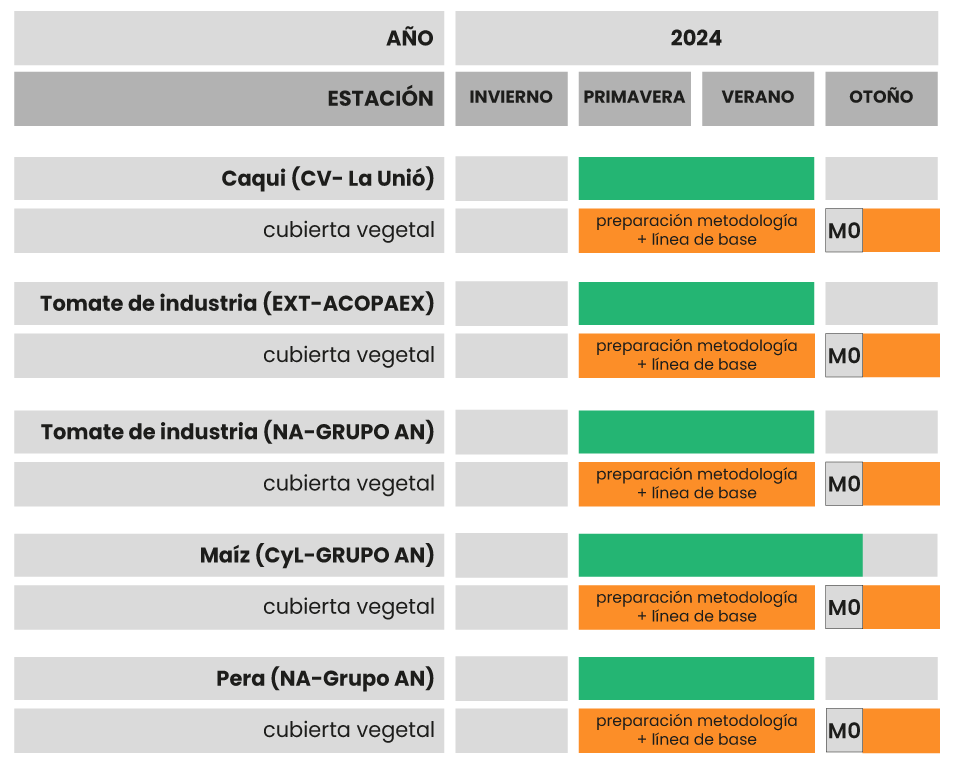
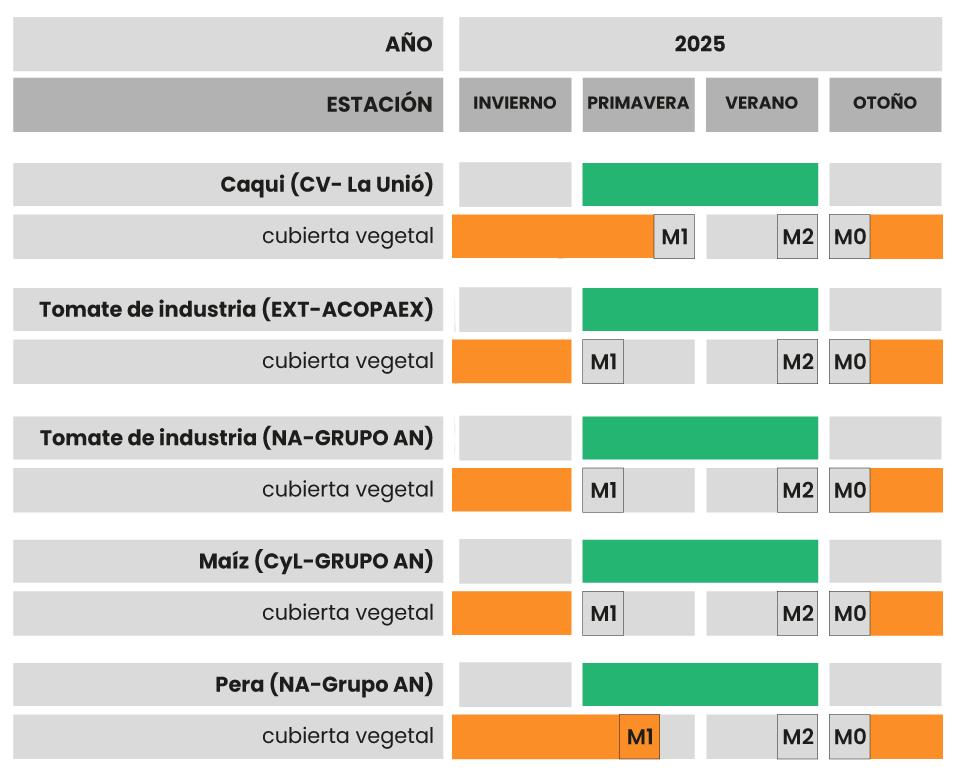
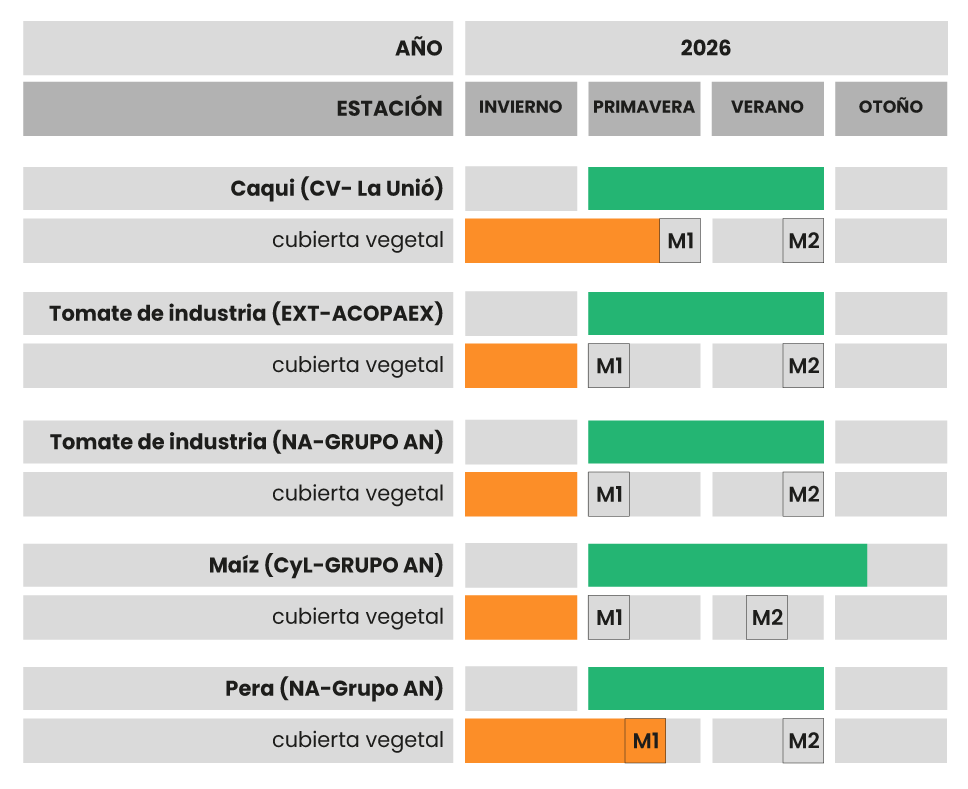
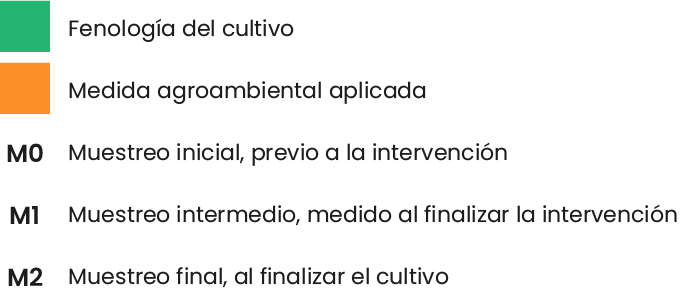
GOS Acceso Agricultural Campaign Schedule
GOS ACCESO powered by:

Partners




Contact: gosacceso@zerya.org


ACCESO is a Supra-autonomic Operational Group co-financed by the EAFRD at 80% and by the Ministry of Agriculture, Fisheries and Food at 20%. Total investment: 599,779.31€.

Grupo Operativo Acceso
Within the framework of the CAP Strategic Plan 2023-2027, financed by the Ministry of Agriculture, Fisheries and Food (MAPA) and the European Agricultural Fund for Rural Development (EAFRD).
Pages
Projects
Partners
Contact
Contact
(+34) 910 910 910
info@grupooperativoacceso.eu
Avda. Cortes Valencianas 58
5th floor
46015 Valencia

